
Compass & Clarity Ops
Your vision isn't the problem.
Your business needs the structure to carry it.
Fractional Executive Operations for founder-led and growing organizations whose complexity has outgrown the way they currently operate.
I help build the systems, priorities, workflows, communication, and operating rhythms behind your business—combining hands-on implementation with thoughtful AI leverage so your organization can operate with greater clarity, capacity, and less dependence on you.
AI-Enabled. Human-Led. Built for how modern businesses actually operate.
3 minutes. Free. Get your personalized result.
Recognition
You don't need to work harder.
Your business needs to depend on you less.
Your days disappear into approvals, emails, Slack messages, follow-ups, meetings, and decisions.
Projects move when you move them.
Your team comes to you for answers that should live somewhere else.
Important things may not necessarily be falling apart—but somewhere along the way, you became the system holding everything together.
That's usually the moment founders come to Compass & Clarity.
- Everything needs your approval.
- Projects stall without you.
- Your inbox determines your priorities.
- Important processes aren't documented.
- Your team needs more clarity.
- You're constantly following up.
- You're managing the business instead of leading it.
If any of this sounds familiar, you're not failing. Your business has simply reached the point where it needs more structure than one person can provide.
The Reframe
The problem isn't that you're incapable of managing your business.
The business has simply outgrown the operating system that got it here.
Growth creates complexity. And with it:
Eventually, the founder cannot remain the connective tissue between all of them.
Compass & Clarity creates the operational structure your next stage of growth requires—so the business can keep moving without everything flowing through you.
What Changes
Imagine what becomes possible when everything doesn't depend on you.
Clear Priorities
Everyone knows what matters now and what happens next.
Operational Visibility
Critical projects, decisions, metrics, and responsibilities become easier to see.
Consistent Execution
Important initiatives move forward without the founder personally pushing every step.
Stronger Systems
Processes move out of people's heads and into repeatable systems.
Better Communication
Information reaches the right people without creating unnecessary meetings and messages.
Protected Leadership Capacity
The founder gains more time and mental space for strategy, relationships, growth, and leadership.
Smarter Operational Leverage
Use technology and AI intentionally to reduce repetitive work, strengthen information flow, and create more capacity for the work that requires human judgment.
Good operations create freedom to lead.
The Compass Method™
How I Think About the Work.
Diagnose
Understand where friction, bottlenecks, dependencies, and communication breakdowns exist.
AI can assist with information synthesis, pattern identification, and research—while human judgment determines what those patterns mean for the organization.
Clarify
Determine priorities, ownership, responsibilities, and what actually needs to change.
AI can help organize complexity and support analysis. Human leadership remains responsible for priorities, tradeoffs, and decisions.
Build
Create the systems, workflows, dashboards, SOPs, communication structures, and operating rhythms the business needs.
AI can accelerate documentation, workflow design, and process development—while human judgment determines what should be built, automated, or left alone.
Embed
Integrate those systems into how the founder and team actually work.
AI-enabled processes still require ownership, human review, and practical adoption. Technology is only useful when it becomes part of how the organization actually works.
Evolve
Review what's working, refine what isn't, and continue strengthening operations as the business grows.
Account for emerging technology, changing workflows, new bottlenecks, and responsible AI adoption as part of continuous improvement.
The Differentiator
Modern Operations Need More Than More Software.
AI-Enabled. Human-Led.
AI is changing what's possible inside a business.
But adding another tool to a broken process doesn't fix the process.
At Compass & Clarity, AI is used thoughtfully inside the operational work itself—to accelerate research, synthesize information, strengthen documentation, improve workflows, surface insights, support decision-making, and reduce administrative friction.
The goal isn't to automate everything.
It's to determine what should be automated, what should be improved, and what should always remain human.
Technology can help us move faster. But judgment determines where we're going. Relationships build trust. Accountability moves work forward. And leadership still requires a human being who understands the context behind the decision.
Technology provides leverage. Human judgment determines how that leverage is used.
Signature Entry Offer
The Founder Operational Reset
The clearest starting point for a founder who senses the business shouldn't feel this hard to run—but isn't sure exactly what needs fixing first.
"I know the business shouldn't feel this hard to run, but I don't know exactly what needs fixing first."
The Reset identifies:
- Operational bottlenecks
- Founder dependencies
- Communication gaps
- Workflow problems
- Unclear ownership
- Undocumented processes
- Execution gaps
- System and tool problems
- Immediate priorities
The Process
You finish with a clear roadmap for improvement—not a list of tasks, but a prioritized path forward.
Ongoing Partnership
Fractional Executive Operations Partnership
Some founders don't just need a reset—they need ongoing operational partnership embedded in how the business runs.
You don't need another person waiting for instructions. You need someone helping make sure the right things actually move.
This isn't consulting where I hand you a recommendation and leave.
And it isn't task support where you remain responsible for figuring out what needs to happen next.
We identify what's getting in the way, build what the organization needs, and help embed it into how the business actually operates.
It's a way to gain meaningful operational leadership without immediately adding another full-time executive.
Let's TalkStrategic enough to see the whole system. Hands-on enough to help build it. AI-enabled enough to create modern leverage. Human enough to understand that organizations are made of people.
What I help manage:
- Executive priorities
- Strategic project leadership
- Operating rhythms
- Workflows
- Systems
- SOPs & documentation
- Dashboards & KPI visibility
- Communication systems
- Accountability
- Cross-functional coordination
- Executive decision support
- AI-enabled workflow improvement
- Knowledge management
- Continuous operational improvement
Proof
What I've Built Behind the Scenes.
Case Study — Strategic Execution
The Challenge
Within a complex university environment serving faculty, administrators, researchers, and graduate students, critical work wasn't always supported by clear, standardized processes. Workflows were undocumented or inconsistent, information was scattered, deadlines were hard to track, and getting the right answer often depended on knowing who to ask rather than following a clear process. Too much of the how depended on institutional knowledge living with individual people.
What I Built
We turned knowledge into infrastructure—creating new SOPs, documenting undocumented processes, redesigning inherited workflows, overseeing thesis requirements, building templates and standardized documentation, and creating clearer communications. We built repeatable workflows for roughly 10–20 programs and events per semester, standardized registration and event processes, developed post-event evaluations, built budget tracking and reconciliation, and trained others so processes were less dependent on any one person.
The Result
Processes that depended on individual knowledge became documented and repeatable. Faculty, students, and administrators had clearer information for navigating requirements, programs and events ran on consistent workflows instead of being rebuilt each time, and operational knowledge became easier to communicate and transfer because more of the how existed outside of individual people's heads.
Case Study — Systems + Operations
The Challenge
The owner of an established landscaping company was balancing field operations with leading the business. His attention moved constantly between job sites, team needs, customers, sales, finances, HR, and email. Without structure, responses slipped, the calendar wasn't strategic, and higher-level work lost out to the day's demands—he was reacting to the business instead of intentionally leading it.
What I Built
We built a practical executive operating rhythm around how the owner actually works—structuring his days around what demanded his attention and what deserved it: daily schedule overviews, protected email windows, deep-work blocks, visibility into team availability, strategic meeting coordination, and dedicated time for field commitments, financial review, sales, HR, and admin follow-through—plus identifying work to delegate or outsource.
The Result
The owner now starts each day with a clear view of where his attention needs to go. Protected email windows and deep-work blocks keep communication and higher-level work from being buried by urgency, and greater visibility across staffing, finances, sales, and field commitments reduces the chance important responsibilities disappear beneath what feels most urgent.
Case Study — Executive Partnership
The Challenge
A founder launching a new venture brought us in to regain control of an inbox with hundreds of unread emails. But email was only one piece of a larger gap—little formal executive infrastructure, a calendar not used strategically, and no centralized priorities or systems to support the business as it took shape.
What I Built
What began as inbox management evolved into an executive operations partnership: inbox organization, calendar management, executive dashboards, opportunity and acquisition tracking, meeting documentation, follow-up systems, and operating rhythms that created visibility around priorities and execution.
The Result
Hundreds of unread emails → Inbox Zero—and beyond that, increasing structure around how information, priorities, meetings, and follow-up are managed, with a strategic operations partner building the systems the new business needs as it grows.
Strategic Partnership
"You're doing a great job, by the way. I did not know what to expect... it's awesome to have you on the team and the additional capacity that you bring, so I appreciate you very much."
Steve Mott, Midwest Land Group
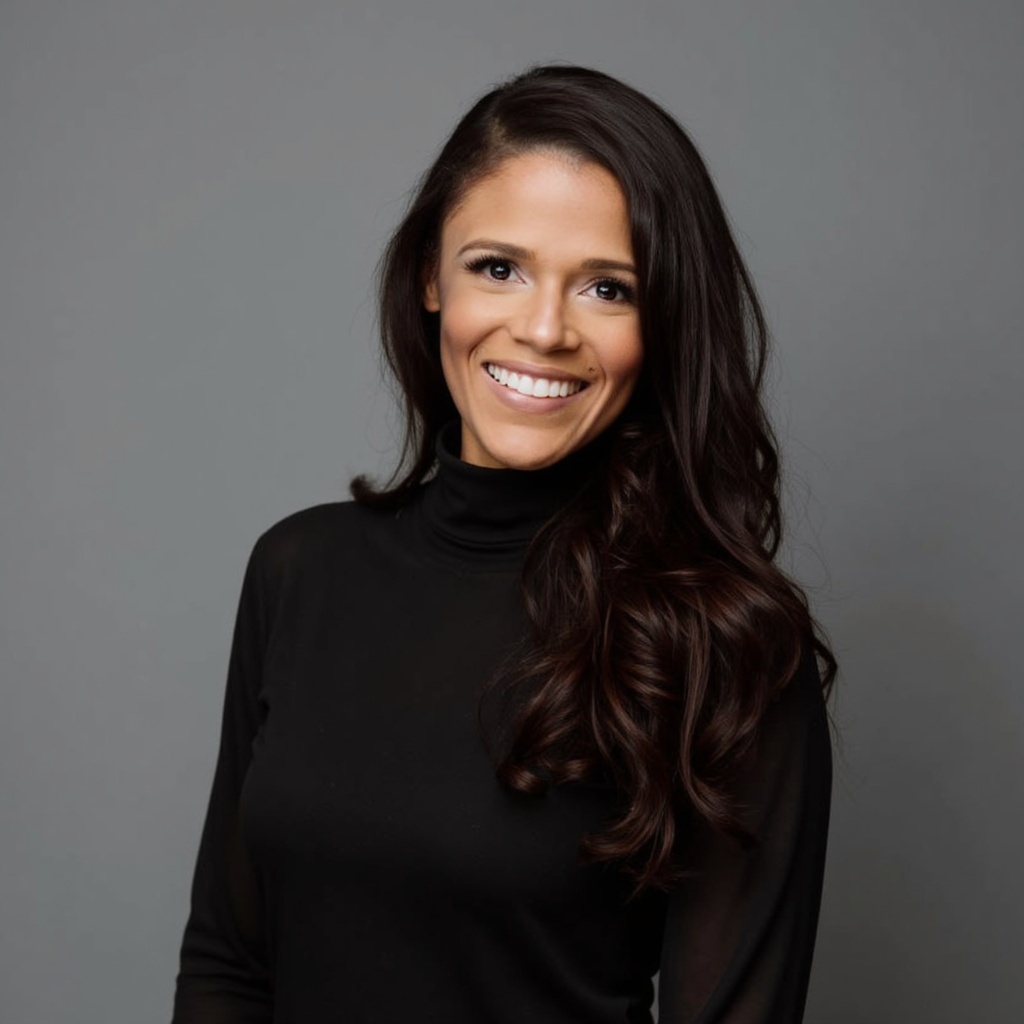
About Elena
The person you bring behind the scenes matters.
Operational partnership requires trust, discretion, judgment, communication, emotional intelligence, strategic thinking, follow-through—and the ability to see both the details and the larger picture.
I'm Elena Rogers, founder of Compass & Clarity Operations. I tend to see two things at once: the people inside the business and the systems operating around them. That perspective has shaped a career spent beside leaders with big visions, complicated organizations, and more moving pieces than any one person should have to carry.
What I've learned is that ambitious leaders rarely need another person simply completing tasks. They need a partner who understands the vision, can see the moving pieces around it, and knows how to create the structure necessary to move it forward. That's the work I love.
Lead Generation
The Founder Bottleneck Assessment
What's actually keeping your business dependent on you?
Take the 3-minute assessment to discover where your business is relying too heavily on you—and what kind of operational support would create the most immediate relief.
The Decision Bottleneck
Too many decisions require the founder.
The Execution Bottleneck
Ideas begin but don't reliably become completed initiatives.
The Systems Bottleneck
Critical knowledge and processes live inside people's heads.
The Communication Bottleneck
Information is scattered across inboxes, messages, meetings, and tools.
The Leadership Bottleneck
The founder spends too much time running operations and too little time leading.
3 minutes. Free. Personalized result.
Questions
Before You Decide.
If your business has grown to the point where important things stall without you, decisions pile up in your inbox, and processes live in people's heads, you likely need operational structure—not just more effort.
Your next chapter doesn't need more hustle. It needs more clarity.
Your business can grow without
asking you to carry all of it.
If growth has created more complexity than clarity, let's uncover what's getting in the way—and identify the operational support that would create the most meaningful relief.